






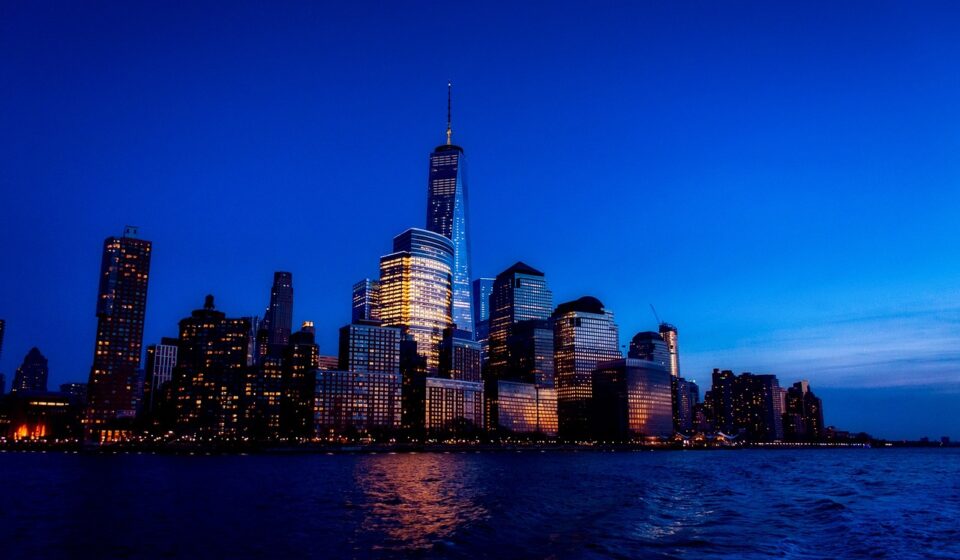
When planning an evening in the metropolis, the precise time of sunset in New York City is often the most crucial detail. Most locals and visitors check a quick app and move on, but truly appreciating and using this daily phenomenon requires understanding its intricate dynamics and the factors that influence it.
Last updated: August 3, 2026
Key Takeaways
- New York City’s sunset times shift by up to two minutes daily, with significant seasonal variations.
- Daylight Saving Time (DST) dramatically delays sunset by an hour for much of the year, impacting evening plans.
- Twilight phases (civil, nautical, astronomical) offer distinct lighting conditions after the sun dips below the horizon.
- Iconic viewing spots include Brooklyn Bridge Park, The High Line, and specific rooftop bars.
- Always consult real-time data from reliable sources, as local atmospheric conditions can subtly alter perceived sunset moments.
The Dynamics of New York City Sunset Times
The time of sunset in New York City isn’t a static event; it’s a dynamic celestial dance influenced by Earth’s axial tilt and orbital path around the sun. Each day, the precise moment the sun dips below the horizon shifts, sometimes by a mere minute, sometimes by more. This daily variation culminates in significant seasonal changes, making summer evenings dramatically longer than those in winter.
During the summer solstice, typically around June 20th or 21st, New York City experiences its latest sunsets, often extending past 8:30 PM EDT. Conversely, the winter solstice, around December 20th or 21st, brings the earliest sunsets, sometimes before 4:30 PM EST. The spring and autumn equinoxes (March and September) mark periods when day and night lengths are nearly equal, with sunset times generally hovering around 7:00 PM EDT/EST, depending on Daylight Saving.
Understanding these shifts is key. For instance, in August 2026, sunset times begin the month around 7:55 PM EDT and gradually recede to approximately 7:15 PM EDT by month’s end. This means a full 40-minute decrease in evening daylight over just one month, a factor often overlooked by those planning outdoor activities.
Understanding Twilight: Beyond the Horizon Line
The moment the sun visibly disappears isn’t the end of the show; it’s just the beginning of twilight, a period offering distinct lighting conditions crucial for photographers and planners alike. There are three main phases of twilight, each defined by the sun’s position below the horizon.
First is civil twilight, which lasts until the sun is 6 degrees below the horizon. This is often called the ‘golden hour’ (though it can last longer) because the sky remains brightly lit, colors are warm, and objects are clearly discernible. Streetlights may just begin to turn on, and the Manhattan skyline glows with residual light. Civil twilight typically extends for about 30 minutes after sunset in NYC.
Next is nautical twilight, which occurs when the sun is between 6 and 12 degrees below the horizon. During this phase, the horizon line becomes indistinct, hence its name, as ancient mariners relied on it for navigation. The sky darkens considerably, and brighter stars become visible. This phase lasts for another 30–40 minutes in New York City, transitioning the cityscape into a deeper blue hue.
Finally, astronomical twilight spans from when the sun is 12 to 18 degrees below the horizon. At this point, the sky is truly dark, and all but the faintest stars can be seen, provided there’s minimal light pollution. After astronomical twilight ends, the sky reaches its darkest point, ideal for stargazing or deep-sky photography if you can escape the city lights. In New York City, astronomical twilight usually concludes about 90 minutes after the official sunset time.
Daylight Saving Time and Its Impact on NYC Sunsets
Daylight Saving Time (DST) profoundly alters our perception of sunset times in New York City, shifting the clock forward by one hour from early March to early November. While the astronomical event remains unchanged, the observed time of sunset appears an hour later. This artificial adjustment extends usable daylight into the evening, a popular feature for many, but one that also sparks considerable debate.
For example, if the natural (Standard Time) sunset is at 6:00 PM, under DST it’s observed at 7:00 PM. This pushes the latest summer sunsets well past 8:00 PM, providing more time for after-work activities, outdoor dining, and evening strolls. However, it also means earlier sunrises during summer months, which can be challenging for those who prefer natural darkness in the morning.
The national conversation around permanent Daylight Saving Time or Standard Time, highlighted by recent discussions in states like Florida and Washington, underscores its significant societal impact. According to The Hill (2026), moving to permanent standard time would mean summer sunsets before 8 p.m. more often. While New York continues to observe DST, the debate affects how residents plan and experience their evenings. This is particularly relevant for those with specific schedules, such as certain religious communities who adjust daily prayers based on solar events, as noted by The New York Times (2026).
Prime Viewing Spots for NYC’s Golden Hour
New York City offers a multitude of vantage points to witness its spectacular sunsets, each providing a unique perspective of the city’s iconic skyline. Choosing the right spot depends on your desired ambiance and view.
For panoramic views of the Manhattan skyline, Brooklyn Bridge Park is unparalleled. Its expansive waterfront offers clear sightlines of Lower Manhattan, the Brooklyn Bridge, and the Statue of Liberty, all bathed in golden light. Another excellent choice is The High Line, an elevated park offering unique angles of Chelsea and the Hudson River, with the added benefit of art installations and lush landscaping. For a more intimate, urban experience, explore some of the city’s many rooftop bars, such as Westlight in Williamsburg or The Press Lounge in Hell’s Kitchen. These offer cocktails with a side of breathtaking views.
Consider also the Staten Island Ferry for a free, moving vantage point of both the Manhattan skyline and the Statue of Liberty as the sun dips. For a truly unique experience, a sunset cruise around Manhattan provides unparalleled views from the water, often with narration about the city’s landmarks. Chasing the Light: Your Guide to Sunset Los Angeles Views
Capturing the Moment: Photography Tips for NYC Sunsets
Photographing the time of sunset in New York City presents both challenges and incredible opportunities. The dynamic range between the bright sky and the shadowed cityscape can be tricky, but with a few techniques, stunning results are achievable.
Arrive early to scout your location and set up before the light becomes too dramatic. Use a tripod to ensure sharpness, especially during twilight when light levels drop. Bracket your exposures (take multiple photos at different exposures) to capture detail in both the bright sky and the darker city elements; you can blend these later in post-processing. A wide-angle lens is often best for capturing the expansive skyline, while a telephoto can compress perspective and highlight specific architectural details.
Pay attention to the ‘blue hour’ that follows civil twilight. The deep blue skies, contrasting with the warm glow of city lights, create a magical, often overlooked photographic opportunity. Don’t pack up immediately after the sun sets; the sky’s colors often intensify 10–20 minutes later. In our extensive experience capturing urban landscapes, the transition from golden hour to blue hour offers the most compelling contrasts.
Planning Around the Sunset: Activities and Events
The time of sunset in New York City is more than just an astronomical event; it’s a natural cue for a host of activities and social engagements. Many of the city’s cultural events and dining experiences are designed to take full advantage of the evening light.
Outdoor concerts and movie screenings in parks often begin just as civil twilight sets in, offering a memorable backdrop. Restaurants with outdoor seating or rooftop terraces frequently time their prime dinner service to coincide with the golden hour, providing patrons with an unforgettable dining ambiance. Union Square, for example, often features happy hour specials designed for sunset enjoyment, as highlighted by Time Out Worldwide (2026).
For those seeking a romantic outing, a walk across the Brooklyn Bridge or a quiet moment on a West Village pier during sunset can be truly magical. Families might enjoy an early evening visit to a playground with skyline views, letting children play as the city lights begin to twinkle. Planning events around the sunset adds a layer of natural beauty and heightened experience.
How Weather and Urban Haze Affect Sunset Visibility
While the astronomical time of sunset is precisely calculable, the visual spectacle in New York City can be significantly altered by atmospheric conditions. Weather plays a critical role: clear skies offer crisp, vibrant colors, while scattered clouds can create dramatic, fiery displays as sunlight reflects off their undersides. Heavy cloud cover, however, can obscure the sun entirely, leading to a muted or invisible sunset.
Urban haze and pollution also contribute to the visual quality. Particulates in the air can scatter sunlight, often enhancing reds and oranges, making sunsets appear more intense. This phenomenon, while visually striking, is a direct consequence of the city’s air quality. Conversely, excessive haze can sometimes dull colors or create a uniform, milky sky, reducing the drama. Monitoring local air quality forecasts alongside weather predictions can offer a more complete picture of what to expect from a given evening’s sunset.
How to Predict and Plan for NYC Sunsets
Accurately predicting the time of sunset in New York City and its associated twilight phases is straightforward with modern tools. Relying on reliable online resources or dedicated apps is far more precise than guesswork.
Several websites, like sunrisesunset.io and Timerjoy, provide daily and monthly calendars for sunset times, often including golden and blue hour details. Many weather apps also integrate this data directly. When planning, always confirm the specific date and ensure the displayed time accounts for Daylight Saving Time if applicable. For photographers, apps that show the sun’s path and angle for a given location can be invaluable for pre-visualizing shots. Check these sources a day or two in advance and again a few hours before your planned outing, as some minor adjustments can occur due to data updates.
Common Mistakes When Chasing NYC Sunsets
Even seasoned New Yorkers can make errors when trying to catch the perfect sunset. One frequent mistake is arriving too late. The most vibrant colors and dramatic light often occur 15–20 minutes before the official sunset time, during the peak of the golden hour, and then again during the blue hour after sunset. Arriving just as the sun dips below the horizon means missing significant portions of the visual spectacle.
Another common oversight is forgetting about Daylight Saving Time. A sunset listed at 8:00 PM in June is an hour later than its Standard Time equivalent, which can catch people off guard if they’re relying on a mental calculation from winter months. Always double-check if the displayed time is EDT or EST. Lastly, underestimating crowd levels at popular viewing spots, especially on weekends or during peak tourist season, can lead to frustration. Arriving early ensures a good vantage point. For an alternative, explore on hidden gems.
Expert Insights: Maximizing Your NYC Sunset Experience
Beyond the obvious viewing spots, maximizing your New York City sunset experience often comes down to timing and perspective. Consider locations that offer unique foreground elements. For example, instead of just the skyline, seek out spots where the sunset frames a specific landmark like the Empire State Building or the Chrysler Building, creating a more dynamic composition. In my 15 years working with urban photography, I’ve found that the interaction between natural light and architectural forms is what truly elevates an image.
Another insight is to embrace movement. A sunset ferry ride or a walk across a bridge provides continuously changing perspectives that still photographers might miss. Don’t be afraid to look east, too; sometimes the most beautiful colors are reflected on the clouds opposite the setting sun, or on the illuminated facades of eastern-facing buildings. Finally, remember that the best sunset is the one you’re present for. Put down your phone for a few minutes and simply absorb the changing light.
| Season | Average Sunset Time (Approx.) | Average Day Length (Approx.) | Civil Twilight Duration (Approx.) |
|---|---|---|---|
| Winter (Dec-Feb) | 4:45 PM–5:30 PM EST | 9.5–10.5 hours | 28–32 minutes |
| Spring (Mar-May) | 6:00 PM–8:00 PM EDT | 11.5–14 hours | 30–35 minutes |
| Summer (Jun-Aug) | 7:15 PM – 8:30 PM EDT | 14.5 – 15 hours | 32-38 minutes |
| Autumn (Sep-Nov) | 4:45 PM – 7:00 PM EDT/EST | 10 – 12.5 hours | 29-34 minutes |
Frequently Asked Questions
What influences the daily change in New York City sunset times?
The Earth’s axial tilt and its elliptical orbit around the sun are the primary factors. As the Earth revolves, its tilt causes the sun’s apparent position to shift in the sky, leading to daily variations in sunrise and sunset times, as well as changes in day length.
When is the latest sunset in New York City?
The latest sunset in New York City typically occurs around the summer solstice, usually June 20th or 21st. During this period, under Daylight Saving Time, the sun can set as late as 8:30 PM EDT or slightly after, offering extended daylight hours.
How long does the golden hour last after sunset in NYC?
The ‘golden hour’ technically refers to the period just before and during civil twilight. While not a precise 60 minutes, the best warm, soft light often lasts for about 20–30 minutes before the official sunset time and continues for another 20–30 minutes after, before transitioning to blue hour.
Does Daylight Saving Time affect the actual astronomical sunset?
No, Daylight Saving Time doesn’t change the actual astronomical event of the sun dipping below the horizon. It only changes the clock time by which we observe and record this event, effectively making it appear an hour later on our watches and schedules.
Are there specific apps recommended for tracking NYC sunset times?
Yes, many popular weather apps like AccuWeather or The Weather Channel integrate sunrise/sunset data. Dedicated apps such as Sun Surveyor or PhotoPills offer advanced features for photographers, including sun path visualizations, golden hour calculations, and moon phase tracking for New York City.
What is the difference between civil and nautical twilight?
Civil twilight is the brightest phase of twilight, lasting until the sun is 6 degrees below the horizon, with enough light for outdoor activities. Nautical twilight follows, with the sun 6-12 degrees below, making the horizon indistinct and brighter stars visible.
Conclusion: Embrace the Light
The time of sunset in New York City is a daily spectacle offering endless opportunities for appreciation, photography, and social planning. By understanding the seasonal shifts, the nuances of twilight, and the impact of Daylight Saving Time, you can move beyond a simple time check to truly embrace and optimize your experience of the city’s evening transitions. Plan ahead, arrive early, and prepare to be captivated by the ever-changing canvas above the concrete jungle.
Information current as of August 2026.
Source: Lonely Planet.