





Sarah and Mark spent their tenth anniversary watching a truly unforgettable sunset over the Pacific, perfectly timed with a picnic at Point Dume. Their secret wasn’t luck; it was meticulous planning around the daily sunset time LA offers. For those looking to create similarly cherished memories or capture breathtaking photographs, understanding the nuances of Los Angeles sunset times is far more intricate and rewarding than simply looking up a daily schedule.
Last updated: August 3, 2026
- Sunset time in Los Angeles varies significantly throughout the year, with the earliest sunsets in December and latest in June/July.
- L.A.’s unique atmospheric conditions, including the marine layer and urban aerosols, contribute to its famously vibrant and dramatic sunset colors.
- The “golden hour” and “blue hour” are distinct periods before and after actual sunset, offering different photographic and experiential qualities.
- Optimal viewing requires not just knowing the time, but also choosing the right vantage point and accounting for traffic and crowds.
- using daily forecasts and specialized apps can help predict not just the time, but also the potential for vivid sunset colors.
Understanding Sunset Time LA: More Than Just a Number
The precise sunset time in Los Angeles is a dynamic figure, shifting daily with the Earth’s rotation and tilt. While a quick search provides the exact minute for any given day, truly appreciating an L.A. sunset requires understanding the broader context. It’s not just about when the sun dips below the horizon, but also the minutes leading up to and following that event, known as twilight periods.
For instance, on August 3, 2026, the sunset time in Los Angeles is approximately 7:45 PM PDT. However, the magical light begins to transform the sky 20–30 minutes prior, and the afterglow can last another 30 minutes, sometimes longer. This extended window is critical for photographers and anyone planning a moment to remember.
Daily variations are most pronounced around the solstices. According to Time and Date, the earliest sunsets in Los Angeles occur around the winter solstice in December, while the latest are near the summer solstice in June and July. These shifts mean a significant difference in planning evening activities throughout the year.
The Science Behind L.A.’s Spectacular Skies
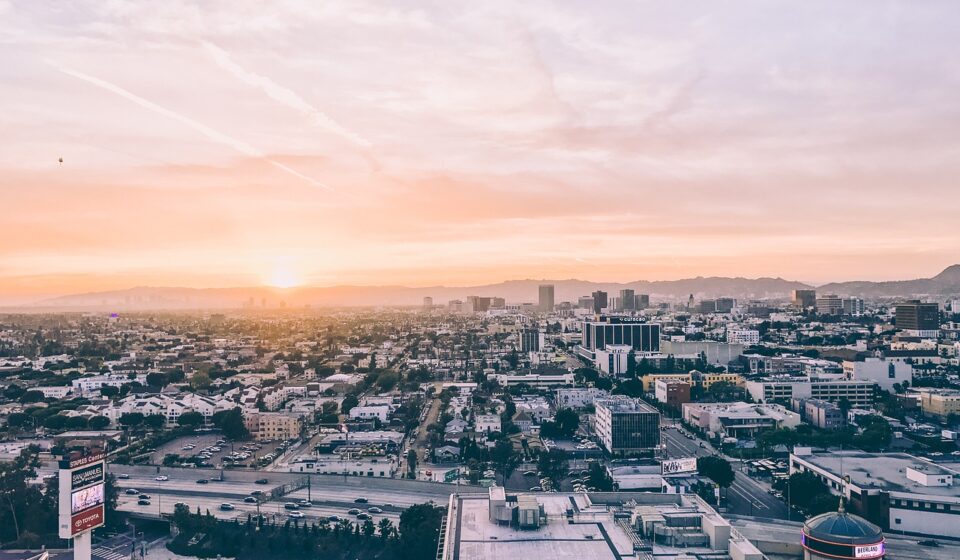
Los Angeles is renowned for its vivid sunsets, a phenomenon rooted in unique atmospheric optics. The city’s coastal location and urban environment play significant roles. When sunlight travels through the atmosphere at a low angle during sunset, it scatters shorter-wavelength blue and violet light more effectively, allowing longer-wavelength reds, oranges, and yellows to pass through to our eyes.
L.A.’s marine layer, a cool, moist air mass that often forms over the Pacific, acts as a natural filter, enhancing this scattering effect. Urban aerosols and particulate matter, while often associated with air pollution, can sometimes contribute to more dramatic sunset colors by increasing the number of scattering particles in the air. This interplay creates the stunning palette L.A. is famous for, transforming a simple sunset time LA into a visual spectacle.
Understanding this atmospheric science allows for a deeper appreciation of the fleeting beauty. A slight haze or specific cloud formations, often viewed as hindrances, can actually intensify the reds and purples in the sky, making for a truly spectacular display.
Seasonal Shifts and Their Impact on Los Angeles Sunsets
The exact sunset time LA experiences changes throughout the year, driven by the Earth’s axial tilt relative to the sun. The longest days and latest sunsets occur around the Summer Solstice (June 20-21), with the sun typically setting after 8:00 PM PDT. Conversely, the shortest days and earliest sunsets happen near the Winter Solstice (December 21-22), often before 5:00 PM PST.
These seasonal variations profoundly affect how one plans evening activities. A summer evening allows for leisurely dinners with ocean views extending well past 8 PM, while a winter sunset might mean an early start to catch the last rays. The angle of the sun also changes, leading to different lighting effects and photographic opportunities depending on the season.
For instance, winter sunsets often feature the sun dipping directly into the ocean from many west-facing beaches, offering a more direct and intense visual. Summer sunsets, especially from elevated viewpoints, might see the sun setting further north along the coastline. Planning with the monthly sunset schedule Los Angeles provides is essential for any seasonal outing.
Mastering the Golden and Blue Hours in Los Angeles
Beyond the actual sunset time LA, two distinct periods—the golden hour and the blue hour—offer unique photographic and experiential opportunities. The golden hour is the period of daylight shortly after sunrise or before sunset, characterized by soft, warm, indirect light. This light minimizes harsh shadows, making it ideal for portraits, landscapes, and creating a romantic ambiance.
Following the golden hour, and immediately before sunrise or after sunset, comes the blue hour. During this period, the sky takes on a deep, rich blue hue, often contrasting beautifully with artificial lights beginning to twinkle in the city. This ethereal light is perfect for capturing cityscapes, architectural shots, and creating a tranquil, moody atmosphere. For photographers, knowing when these specific light conditions occur, usually 20–30 minutes before and after the official sunset time, is invaluable.
To truly master these hours, check specialized photography apps or websites that provide exact golden and blue hour timings for Los Angeles. These often differ slightly from civil twilight, offering more precise guidance for optimal lighting conditions.
Top Vantage Points for Unforgettable LA Sunsets
Los Angeles boasts an array of incredible locations to witness its famed sunsets, each offering a unique perspective. Choosing the best spot often depends on the desired experience: bustling energy, serene solitude, or iconic backdrops.
Griffith Observatory: Offers panoramic views of the Hollywood Sign, the Pacific Ocean, and the downtown skyline, all bathed in golden light. Expect significant crowds, especially on weekends and holidays. Parking can be challenging, so consider rideshares or arriving early.
Santa Monica Pier/Beach: A classic L.A. experience, with the sun dipping directly into the Pacific. The pier offers vibrant energy, while the beach provides a more relaxed setting. Ideal for casual strolls and capturing classic beach sunset shots. Parking garages are plentiful but can be expensive.
Malibu Beaches (e.g., El Matador State Beach, Point Dume): For a more rugged, natural, and often less crowded experience. These spots feature dramatic cliffs, rock formations, and tide pools, perfect for unique photography. Be aware of limited parking and potential fees.
Runyon Canyon Park: Provides excellent views of the city from a different elevation, popular with hikers. Offers a good workout with a rewarding view. Parking is street-side and can be competitive.
Getty Center: Offers stunning architecture, gardens, and expansive views of the city and ocean, often with fewer crowds than Griffith Observatory. Arrive early to enjoy the art before settling in for the sunset. Parking is available for a fee.
Each location requires specific planning around traffic, parking, and the best time to arrive relative to the sunset time LA has scheduled for that day. A strategic choice can elevate a simple viewing into a truly memorable event.
| Location | View Type | Crowd Level | Best For | Parking Notes |
|---|---|---|---|---|
| Griffith Observatory | City skyline, ocean, Hollywood Sign | High | Iconic views, photography | Challenging, rideshare recommended |
| Santa Monica Pier/Beach | Ocean, pier silhouette | Medium-High | Classic beach experience, casual | Paid garages, can fill up |
| El Matador State Beach | Dramatic cliffs, natural beauty | Medium | Photography, romantic, serene | Limited, paid lot, arrive early |
| Runyon Canyon Park | City views from hills | Medium | Hiking, active viewing | Street parking, competitive |
| Getty Center | Architecture, gardens, city/ocean | Medium | Culture, elegant viewing | Paid, ample space |
Planning Your Perfect Sunset Experience in LA
Creating a truly memorable sunset experience in Los Angeles involves more than just arriving at a scenic spot. It demands thoughtful preparation, especially given the city’s notorious traffic and popularity of prime viewing locations. Your first step should always be to confirm the precise sunset time LA for your chosen date, using reliable sources like NOAA or local weather forecasts.
Consider what kind of memory you want to create. For a romantic picnic, pack a blanket, comfortable cushions, a charcuterie board, and a bottle of non-alcoholic sparkling cider (many public parks restrict alcohol). If photography is the goal, ensure your gear is charged, lenses are clean, and you have a tripod for stability during the golden and blue hours.
Always factor in L.A.’s traffic. Aim to arrive at your chosen location at least 60–90 minutes before the official sunset time, especially on weekends or for popular spots like Griffith Observatory. Sunset time la allows ample time for parking, finding a good vantage point, and settling in before the magical light begins to unfold. Check traffic apps like Waze or Google Maps on the day of your outing to account for unexpected delays.
Pros of Planning Your Sunset Experience
- Secures optimal viewing spots before crowds arrive.
- Allows time to set up photography equipment or picnic spreads.
- Reduces stress from traffic and parking challenges.
- Maximizes enjoyment of the golden and blue hours.
- Ensures all necessary items (food, gear, comfort) are prepared.
Cons of Not Planning
- Risk of missing the best light due to unexpected delays.
- Difficulty finding parking or a good vantage point.
- Can lead to a rushed, less enjoyable experience.
- Potential for disappointment if conditions aren’t ideal due to lack of foresight.
- Missing out on the full spectrum of pre- and post-sunset colors.
Common Mistakes to Avoid When Chasing LA Sunsets
Even with the best intentions, several common pitfalls can diminish a Los Angeles sunset experience. One significant mistake is underestimating L.A. traffic. A 30-minute drive can easily become 90 minutes during peak hours, causing you to miss the golden hour entirely. Always add a generous buffer to your travel time, especially for popular weekend destinations.
Another error is neglecting to check the weather forecast. While L.A. is known for sunshine, a persistent marine layer or unexpected cloud cover can obscure the horizon, dulling the vibrant colors. Check a local meteorological source, such as the National Weather Service for Los Angeles/Oxnard, on the day of your outing. Additionally, many people forget to bring layers; even on warm days, coastal breezes can make evenings surprisingly chilly once the sun dips.
Finally, relying solely on the exact sunset time can lead to disappointment. The most photogenic light and the most memorable moments often occur 15–30 minutes before the official sunset and another 15–30 minutes after for the blue hour. Arriving just at sunset means you’ve already missed some of the best light.
Expert Tips for Capturing the Moment
From a seasoned observer’s perspective, capturing the essence of an L.A. sunset goes beyond basic timing. For photographers, consider using a wide-angle lens to capture the expansive skies and cityscapes. Bracket your exposures (taking multiple shots at different exposures) to ensure you capture detail in both the bright sky and darker foreground. A neutral density filter can also help balance bright skies with darker land elements, especially if you’re aiming for long exposures to smooth out water or capture light trails.
For those focused on creating memories, put the phone down for a few minutes. While a photo is a great keepsake, truly immersing yourself in the moment—feeling the breeze, listening to the sounds, and observing the changing colors with your own eyes—is invaluable. Consider bringing a small journal to jot down feelings or observations, creating a tangible memory without the screen. Small gestures, like a warm drink or a shared snack, can also significantly enhance the experience, making the sunset time LA offers truly special. Chasing the Light: Your Guide to Sunset Los Angeles Views
Frequently Asked Questions
What influences the daily sunset time in Los Angeles?
The daily sunset time in The Earth’s orbit around primarily influencs los Angeles the sun, its axial tilt, and the city’s specific longitude. These astronomical factors cause a gradual shift in sunset times throughout the year, with variations most noticeable around the summer and winter solstices.
How far in advance should I arrive at a viewing spot for sunset in LA?
For popular viewing spots in Los Angeles, arriving 60 to 90 minutes before the official sunset time is highly recommended. Sunset time la allows ample time to navigate traffic, find parking, and secure a prime viewing location before crowds gather and the golden hour lighting begins.
Are LA sunsets always colorful, or do they vary?
LA sunsets are renowned for their vibrant colors, but their intensity and palette can vary significantly. Factors like the presence of a marine layer, atmospheric dust or aerosols, cloud cover, and overall air quality all contribute to the unique hues observed on any given evening.
What is the difference between sunset and civil twilight?
Sunset marks the moment the upper edge of the sun disappears below the horizon. Civil twilight, however, is the period after sunset (or before sunrise) when there’s still enough natural light for objects to be clearly discernible without artificial illumination. It typically lasts until the sun’s center is 6 degrees below the horizon.
Can I predict the color intensity of an LA sunset?
While an exact prediction is challenging, certain indicators can help. Clear skies with a slight haze or high-altitude clouds often lead to more dramatic reds and oranges. Check local air quality reports and cloud forecasts, as these atmospheric conditions play a significant role in scattering light and enhancing colors.
Is it better to watch sunset from the beach or an elevated viewpoint in LA?
Both offer unique experiences. Beaches provide a direct view of the sun dipping into the ocean, often with a vibrant horizon. Elevated viewpoints, like Griffith Observatory or the Getty Center, offer panoramic vistas of the city and coastline, allowing you to see the changing light over a broader landscape. The choice depends on your preference for atmosphere and view.
Does daylight saving time affect sunset times in Los Angeles?
Yes, daylight saving time (DST) significantly shifts the perceived sunset time in Los Angeles. When DST begins in March, clocks move forward an hour, making sunsets appear an hour later. Conversely, when DST ends in November, clocks move back, and sunsets appear an hour earlier relative to the previous schedule.
Conclusion
Understanding the daily sunset time LA offers is the first step towards unlocking truly magical and memorable experiences in Los Angeles. Beyond the precise minute the sun dips below the horizon, it’s the rich mix of golden hour, blue hour, and the unique atmospheric conditions that truly define L.A.’s iconic evening displays. By planning ahead, choosing your vantage point wisely, and appreciating the science behind the spectacle, you can transform a simple moment into a cherished memory. Don’t just watch the sunset; truly experience it.
Information current as of August 2026. Knowing how to address sunset time la early makes the rest of your plan easier to keep on track.