






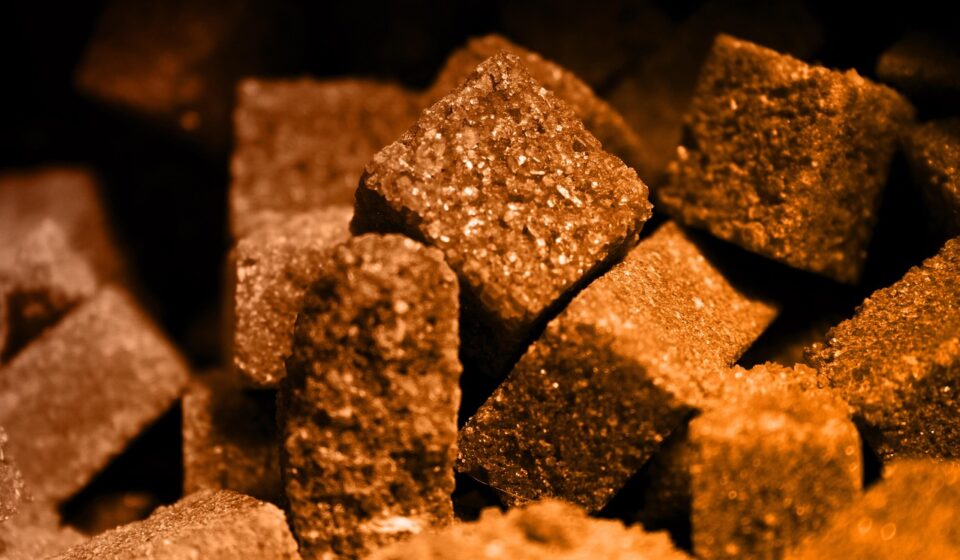
When you’re embarking on a new craft project, building a mineral collection, or seeking unique decorative elements, the phrase “stones by the pound” often surfaces as a cost-effective solution. But what does it really mean to buy raw crystals and rough gemstones in bulk, and how do you ensure you’re getting true value for your investment? It’s not just about weight; it’s about understanding material quality, potential yield, and identifying authentic specimens.
Last updated: July 28, 2026
Most beginners spend more than they need to or end up with unusable material. This guide will help you Handle the bulk stone market, focusing on smart purchasing strategies and quality assessment, so your creative visions aren’t limited by material misunderstandings.
Key Takeaways
- “Stones by the pound” refers to purchasing rough, unpolished minerals or crystals in bulk based on weight.
- Evaluating bulk stones requires assessing clarity, color, inclusions, and potential yield for your intended project.
- Common sources include online retailers, local rock shops, gem shows, and direct from mines.
- Always inspect for excessive matrix, fractures, and artificial enhancements before committing to a purchase.
- Consider the specific gravity and hardness of stones to aid in identification and project suitability.
Understanding Stones by the Pound
Buying stones by the pound means acquiring natural, raw, or partially processed mineral specimens measured by their total weight rather than individually. This method is prevalent in the lapidary arts, for rock tumbling enthusiasts, crafters, and collectors seeking to expand their inventory economically.
It typically offers a more diverse and often more affordable selection per unit compared to purchasing pre-cut, polished, or individually curated pieces. The appeal lies in the potential for discovery and the lower entry barrier for acquiring substantial quantities of material.
However, the value isn’t solely in the quantity. True value comes from the quality of the rough material, its suitability for your intended use, and the eventual yield of usable stone after any processing. A pound of low-quality, heavily fractured quartz will offer less actual usable material than a pound of solid, clearer amethyst rough.
Where to Buy Bulk Gemstones and Raw Crystals
The market for raw crystals and bulk gemstones is broad, with several channels catering to different needs and budgets. Understanding these sources is key to finding the right material.
Online retailers, for instance, offer vast selections from around the globe, often with competitive pricing. However, physical inspection is impossible, making reputable sellers with clear photos and accurate descriptions paramount. Local rock and gem shops provide the advantage of hands-on selection, allowing you to examine each piece for quality, color, and integrity before buying.
Gem and mineral shows are excellent for both variety and direct interaction with suppliers, often yielding unique finds and better deals for larger purchases. Finally, direct-from-mine sources or wholesalers can offer the best prices for very large quantities, but often require a greater initial investment and industry connections.
Evaluating Quality: What to Look For in Bulk Stone Purchases
The biggest challenge with stones by the pound is the variability in quality. A general rule is to assume you’ll get some waste. However, smart evaluation can significantly reduce this.
Prioritize clarity and color saturation, especially if you plan to polish or tumble the stones. Deep, vibrant colors indicate higher quality, while dull or faded hues suggest lower grades. Look for minimal inclusions, fractures, or cracks, which can compromise the stone’s integrity and make it unsuitable for cutting or carving. Excessive matrix (host rock) also adds weight without adding usable gemstone material.
A quick visual inspection for signs of artificial enhancement, like dyes or coatings, is also crucial. Authentic stones often have natural imperfections, but blatant unnatural coloring is a red flag. According to the Gemological Institute of America (GIA) (2024), understanding common treatments for various gemstones helps buyers make informed decisions about their purchases.
The Yield Factor: Maximizing Usable Material
One of the most overlooked aspects of buying stones by the pound is the concept of yield. This refers to the percentage of usable, high-quality material you can extract from the rough stone after processing.
For example, a pound of “mine run” material might contain a significant amount of dirt, small fragments, or heavily fractured pieces. In my experience sorting bulk gemstone purchases for lapidary projects, it’s not uncommon to find that 20-30% of the initial weight is unusable debris or material too flawed for intended use. This means a 5-pound bag might only yield 3.5 to 4 pounds of good material.
To maximize yield, look for larger, more solid pieces within the bulk offering. These tend to have fewer internal fractures and less adhering matrix. If possible, gently brush off loose dirt or debris to get a clearer view of the stone’s surface and structure. Don’t be swayed solely by a low price per pound if the initial quality indicates a very low yield.
How to Choose Stones by the Pound: A Buying Guide
Choosing the right stones requires a systematic approach. Start by defining your project needs: are you tumbling, wire-wrapping, carving, or simply decorating? This dictates the size, hardness, and type of stone you need.
Next, consider the stone’s Mohs hardness. Softer stones like Calcite (Mohs 3) are easy to carve but won’t hold up in a tumbler with harder stones like Quartz (Mohs 7). For diverse projects, purchasing separate batches of similar hardness is ideal. Inspect the batch visually for consistency in size and quality. A batch with uniformly sized pieces might indicate better sorting and less waste.
Finally, always ask the seller about the origin and type of stones. Knowledgeable sellers can provide valuable insights into specific mineral properties and potential challenges. For further guidance on identifying various minerals, offers detailed tips.
Real Examples and Uses for Bulk Crystals
Stones by the pound offer incredible versatility for creative endeavors and personal enrichment. For instance, a 5-pound bag of rough Amethyst from Brazil, often costing around $30-$50 in 2026, can provide dozens of pieces suitable for rock tumbling. After 4–6 weeks in a tumbler, these pieces transform into smooth, polished stones perfect for jewelry making, worry stones, or decorative bowl fillers.
Another common application is for creating custom terrariums or succulent gardens. A 3-pound mix of raw Quartz, Jasper, and Aventurine, priced around $20-$35, adds natural texture and visual interest. Unlike pre-packaged landscape stones, buying by the pound allows for greater variety and unique specimen inclusion, enhancing the aesthetic appeal of your living arrangements.
For memory keeping, such as creating personalized gifts, bulk stones are invaluable. Consider using small, tumbled Carnelian or Rose Quartz as meaningful inclusions in resin art or as tokens in a custom gift box. The lower cost per piece allows for experimentation and larger batches of handcrafted items.
Comparison: Online vs. Local Stone Sources
| Feature | Online Retailers | Local Rock & Gem Shops |
|---|---|---|
| Selection | Vast, global variety | Curated, often regional focus |
| Pricing | Often lower per pound, shipping adds cost | Can be higher, no shipping cost |
| Quality Inspection | Relies on photos/descriptions, reviews | Hands-on physical inspection possible |
| Discovery | Algorithm-driven suggestions | Serendipitous finds, expert advice |
| Returns | Standard e-commerce policies | Easier for local exchanges |
Pros of Buying Stones by the Pound
- Cost-Effective: Significantly lower price per unit for raw material compared to polished or individual specimens.
- Volume for Projects: Ideal for large-scale crafting, rock tumbling, or extensive decorative needs.
- Variety: Often provides a diverse mix of stones, perfect for a varied collection or experimental projects.
- Learning Opportunity: Offers a chance to learn about natural stone forms, identification, and lapidary processes.
- Unique Finds: Possibility of discovering rare or unusually shaped specimens not typically sold individually.
Cons of Buying Stones by the Pound
- Variable Quality: Inconsistent grade, clarity, and color within a single batch is common.
- High Waste Potential: Significant portion may be unusable due to matrix, fractures, or small size.
- Identification Challenges: Rough stones are harder to identify, requiring more knowledge or tools.
- Processing Required: Most stones will need cleaning, sorting, or polishing to reach their full potential.
- Shipping Costs: For online purchases, the heavy weight can lead to substantial shipping fees, negating some savings.
Common Mistakes and Solutions
One common mistake is buying solely based on price without considering quality or yield. A $10 pound of heavily fractured Quartz with a 50% usable yield is less valuable than a $15 pound of solid material with an 80% yield. The solution is to prioritize visual inspection and factor in potential waste.
Another pitfall is mixing stones of vastly different hardness in a rock tumbler. This leads to softer stones being abraded away while harder ones remain relatively unchanged. The simple solution is to sort stones by Mohs hardness before tumbling. Aim for batches with stones within 1–2 points of each other on the scale.
Lastly, beginners often neglect proper cleaning of rough stones before use or processing. Uncleaned stones can introduce dirt and debris into tumblers, affecting grit performance, or leave residue on finished crafts. A thorough rinse and scrub with a stiff brush can prevent these issues. For complete cleaning techniques, explore.
Expert Insights for Bulk Stone Enthusiasts
When evaluating a large batch of raw crystals, always perform a quick specific gravity test if you suspect misidentification. While it sounds complex, a simple at-home method using water displacement can provide a rough estimate and confirm if a stone is significantly heavier or lighter than expected for its type. This is particularly useful for differentiating between common quartz varieties and heavier minerals that might look similar.
Consider investing in a small jeweler’s loupe (10x magnification) for detailed inspection. This tool reveals small fractures, inclusions, and subtle color variations that are invisible to the naked eye. It’s a major shift for assessing the true quality of individual pieces within a bulk lot, helping you make more informed decisions.
Also, don’t overlook the opportunity to connect with local rock hounding clubs or lapidary societies. These communities offer invaluable knowledge, shared resources, and often have group buys from mines, providing access to higher quality stones by the pound at excellent prices. Such connections are often more rewarding than purely transactional purchases online.
Frequently Asked Questions
Are stones by the pound good for crystal healing?
Yes, stones by the pound are excellent for crystal healing practices. Raw, unpolished crystals are often preferred by practitioners for their unaltered energy and connection to the earth. You can cleanse, charge, and use these natural forms in grids, meditation, or as decorative pieces that radiate their inherent properties throughout a space.
How do I clean raw stones purchased by the pound?
Start by rinsing them under cool running water to remove loose dirt and debris. For more stubborn grime, use a soft brush (like a toothbrush) and mild soap. Avoid harsh chemicals or abrasive cleaners, especially on softer stones. Always check the specific stone’s cleaning recommendations, as some are water-sensitive.
Can I mix different types of stones in a rock tumbler?
It’s generally not recommended to mix stones of vastly different hardness in a rock tumbler. Softer stones will wear down much faster than harder ones, leading to uneven results and potentially damaging the softer specimens. Group stones with similar Mohs hardness ratings for optimal tumbling outcomes.
What is the typical price range for stones by the pound?
The price for stones by the pound varies significantly based on the stone type, quality, origin, and supplier. Common stones like Quartz or Jasper might range from $5-$20 per pound, while semi-precious varieties like Amethyst or Citrine could be $15-$50 per pound. Rarer or higher-grade rough can exceed $100 per pound.
How can I identify unknown stones in a bulk purchase?
Identifying unknown stones involves observing their color, luster, transparency, and crystal habit. Simple tests like Mohs hardness (scratch test), specific gravity, and streak test (rubbing on unglazed porcelain) can help narrow down possibilities. Consulting field guides or online mineral databases like Mindat.org is also highly effective.
Do bulk stone purchases come with certification?
Typically, bulk stones sold by the pound don’t come with individual certifications. Certification is usually reserved for higher-value, cut, and polished gemstones. Reputable sellers will, however, accurately label the stone type and origin. If authenticity is critical for a specific piece, you might need to seek independent gemological assessment after purchase.
Navigating the world of stones by the pound offers immense potential for value, creativity, and discovery. By understanding the nuances of quality assessment, yield, and sourcing, you can make informed choices that elevate your projects and collections. Remember, the true beauty of these raw materials often lies in the hands-on process of transforming them.
Information current as of July 2026; pricing and product details may change.