






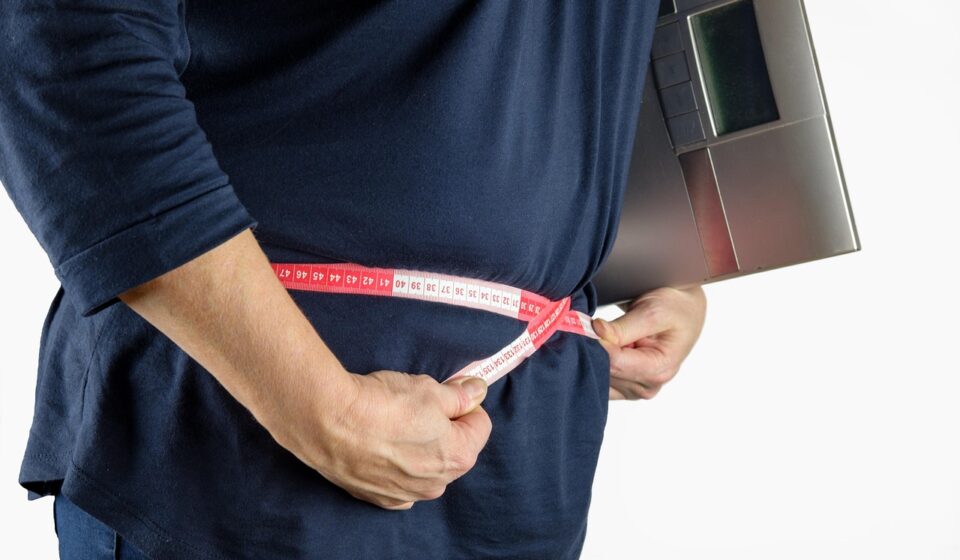
Sarah used to spend hours in dressing rooms, frustrated that clothes never seemed to fit ‘right.’ She’d see a dress on a model, buy it, and feel disheartened when it looked completely different on her. This common scenario highlights why a female body shape calculator can be a truly empowering tool, not just a fleeting trend.
Last updated: July 20, 2026
Key Takeaways
- Female body shape calculators use bust, waste, and hip measurements to classify your proportions into common types.
- Accurate measurements are crucial for reliable results; always use a flexible tape measure against bare skin.
- The five primary female body shapes are Hourglass, Pear, Rectangle, Inverted Triangle, and Apple.
- Understanding your body shape is a guide for informed fashion choices and self-acceptance, not a rigid label.
- Embrace your unique proportions and focus on styling that makes you feel confident and comfortable in 2026.
What is a Female Body Shape Calculator, Really?
At its core, a female body shape calculator is an online tool that categorizes an individual’s silhouette based on key body measurements. It helps identify which of the widely recognized body types—such as hourglass, pear, rectangle, inverted triangle, or apple—best describes your natural proportions. This isn’t about fitting into a rigid mold, but rather understanding your unique physical architecture to make more informed choices, particularly in fashion and fitness.
Many women, as of July 2026, turn to these calculators to handle the often-confusing world of clothing sizes and styles. It offers a starting point, a framework, to appreciate how different garments drape and fit. However, it’s essential to remember that these tools provide a generalization; every body is unique, and individual variations are countless.
Instead of seeking an ‘ideal’ shape, consider the calculator as a guide. It helps you recognize your inherent balance and asymmetry, empowering you to choose pieces that naturally enhance your features. This perspective aligns perfectly with building a personal style that truly matches your memory of yourself – confident and authentic.
The Core Measurements: Bust, Waist, Hips, and Shoulders
The accuracy of any body shape assessment hinges on precise measurements. Most female body shape calculators rely on four primary points: bust, waste, hips, and sometimes shoulders. Each measurement offers a critical piece of information about your overall silhouette.
Your bust measurement is taken at the fullest part of your chest, typically across your nipples. This helps determine the width of your upper body. The waist measurement is the narrowest point of your torso, usually just above your belly button. This is crucial for identifying your waist definition.
For hips, measure around the fullest part of your buttocks, ensuring the tape measure is level. This captures the widest part of your lower body. Finally, some advanced calculators also incorporate shoulder measurements, taken around the broadest part of your shoulders, which refines the assessment of your upper body width relative to your lower half. These four points create a clear picture of your body’s natural lines and curves.
Demystifying the Major Female Body Shapes
While there are endless variations in human bodies, most female body shape calculators categorize figures into five main types. Understanding these classifications provides a common language for discussing proportions and styling.
- Hourglass: This shape is characterized by a well-defined waist, with bust and hip measurements that are roughly equal in circumference. As of 2026, widely cited demographic analyses suggest this shape accounts for around 8% of the female population.
- Pear (or Triangle): Women with a pear shape typically have hips wider than their bust and shoulders, with a defined waist. This is a common shape, representing approximately 20% of women.
- Rectangle: Also known as an athletic or straight shape, the rectangle features bust, waist, and hip measurements that are fairly uniform, with little waist definition. This is the most common body shape, making up about 46% of women, according to demographic studies cited in 2026.
- Inverted Triangle: This shape is defined by shoulders or bust that are wider than the hips, often with a narrower waist. Roughly 14% of women fall into this category.
- Apple (or Round): An apple shape typically involves a fuller midsection, with a waist measurement that’s similar to or wider than the hips and bust. Weight tends to concentrate around the abdomen.
These classifications are broad categories, and many individuals find they have characteristics of more than one shape. The goal isn’t strict adherence, but rather to use these as a framework for self-understanding.
How to Accurately Take Your Body Measurements at Home
For the most reliable results from a female body shape calculator, taking accurate measurements is paramount. Here’s a step-by-step guide to ensure precision:
- Gather Your Tools: You’ll need a flexible tape measure (the kind used for sewing, not construction), a mirror, and perhaps a pen and paper to jot down your numbers.
- Dress Appropriately: For the most accurate readings, measure against bare skin or while wearing minimal, non-compressive clothing (like underwear or light shapewear).
- Stand Correctly: Stand upright with your feet together and arms relaxed at your sides. Breathe normally; don’t suck in your stomach.
- Measure Your Bust: Wrap the tape measure around the fullest part of your chest, ensuring it’s parallel to the floor and not too tight or too loose.
- Measure Your Waist: Find the narrowest part of your torso, typically above your belly button and below your rib cage. This is your natural waistline. Wrap the tape around this point.
- Measure Your Hips: Wrap the tape around the fullest part of your buttocks and hips, again ensuring it’s parallel to the floor.
- Measure Your Shoulders (Optional but Recommended): If your calculator requests it, have someone help you measure the circumference of your shoulders, going over the widest point. Alternatively, measure across your back from shoulder tip to shoulder tip and double the number.
- Record Your Measurements: Write down each measurement immediately to avoid forgetting. Double-check each one for accuracy.
Taking these measurements consistently is key. If you re-measure a few days later, aim for the same conditions (time of day, clothing) to compare results fairly.
Beyond the Labels: Understanding Your Unique Proportions
While a female body shape calculator provides a useful starting point, remember that your body is a dynamic, evolving canvas, not just a static label. The true value lies not in rigidly adhering to a category, but in understanding the nuances of your own proportions. This deeper understanding fosters a stronger sense of self and informs more confident decisions.
For instance, two women identified as ‘Pear’ might have very different hip-to-waist ratios, or one might have a longer torso while the other has longer legs. These subtle differences significantly impact how clothes fit. Instead of just knowing your shape, pay attention to:
- Torso Length: Is your waist relatively high or low? This affects where waistbands sit and the ideal length of tops.
- Leg Length: Are your legs proportionally longer or shorter than your torso? This impacts hemline choices and the perceived balance of your figure.
- Shoulder Slope: Do you have square or sloping shoulders? This influences how structured garments, like blazers, sit.
In my years observing fashion trends and personal styling, I’ve seen that truly confident dressing comes from appreciating these individual characteristics. The calculator is a snapshot; your journey of self-discovery continues as you learn to dress for you, not just a category. This self-knowledge helps you curate a wardrobe that genuinely reflects your personality and makes you feel your best.
The Science Behind the Shapes: Ratios and Their Significance
The magic behind a female body shape calculator lies in simple mathematical ratios. These proportions, particularly the waist-to-hip ratio (WHR), are the primary determinants of your classification. A WHR below a certain threshold typically indicates a more defined waist, while a higher ratio suggests a straighter or rounder silhouette.
For example, an hourglass shape is often defined by a WHR of 0.70 or less, combined with bust and hip measurements that are within a few inches of each other. A pear shape, in contrast, will have a WHR below 0.75, but with hips significantly wider than the bust. Rectangle shapes tend to have a WHR above 0.75, with minimal difference between bust, waist, and hips.
These ratios aren’t arbitrary; they reflect the body’s natural distribution of bone structure, muscle, and adipose tissue. According to a 2010 study published in Archives of Sexual Behavior, the waist-hip ratio has long been a significant indicator of perceived attractiveness and even certain health markers, though it’s crucial to reiterate that a body shape calculator is not a health diagnostic tool. It’s about visual proportions. Understanding these underlying ratios helps demystify why certain clothing styles flatter particular shapes. For further exploration on body composition, consider reading more on.
Practical Applications: Dressing for Your Shape in 2026
Knowing your body shape isn’t just an academic exercise; it’s a practical tool for building a wardrobe that makes you feel fantastic. The goal is often to create visual balance and highlight your favorite features. Here’s how different shapes can approach styling in July 2026:
- Hourglass: Embrace your curves! Defined waists, wrap dresses, fitted tops, and high-waisted bottoms work beautifully. Avoid overly baggy clothing that obscures your natural waist.
- Pear: Balance your wider hips by drawing attention upwards. A-line skirts, bootcut or flared trousers, dark bottoms, and statement tops or scarves can create a harmonious look.
- Rectangle: Create curves where you desire them. Belts at the waist, ruffles or embellishments on tops and bottoms, full skirts, and structured jackets can add definition. Consider experimenting with wide-leg pants.
- Inverted Triangle: Soften broad shoulders and balance your lower body. A-line skirts, wide-leg pants, full or embellished skirts, and V-neck tops can create a more balanced silhouette. Avoid shoulder pads or very structured top halves.
- Apple: Elongate your torso and draw attention to your legs or décolletage. Empire waistlines, flowy tunics, monochromatic outfits, V-necklines, and straight-leg or bootcut pants are often flattering.
The key is experimentation. Use these as guidelines, not unbreakable rules. The fashion world of 2026 is diverse, offering countless options to express your personal flair within these frameworks. Consider how different textures and fabrics also play a role in enhancing or softening your silhouette.
Common Mistakes When Using a Body Shape Calculator
While a female body shape calculator can be incredibly helpful, it’s easy to fall into common traps that can lead to frustration or inaccurate results. Being aware of these pitfalls ensures you get the most out of the tool.
One major mistake is inaccurate measurements. Measuring loosely, tightly, or at the wrong points can skew your results significantly. Always re-check your measurements, and if possible, have a friend help for hard-to-reach areas like shoulders. Another error is taking the result too literally. The calculator provides a category, not a definitive identity. Many people are a blend of shapes, and the goal is to understand your proportions, not to force yourself into a single label.
And, focusing on changing your shape rather than styling for it’s a common misstep. While diet and exercise can alter body composition, your fundamental bone structure and natural proportions remain. Instead of aiming to ‘fix’ your shape, learn to celebrate and flatter what you have. Finally, comparing your results to others can lead to negative self-talk. Your body is unique, and its measurements are for your self-understanding, not for comparison with others’ perceived ideals.
Expert Tips for Embracing Your Natural Form
Beyond the technicalities of measuring and categorizing, truly benefiting from a female body shape calculator means approaching it with a mindset of self-acceptance and empowerment. Here are some expert insights to guide you:
- Prioritize Comfort: No matter your shape, if you’re uncomfortable, you won’t feel confident. Choose fabrics and cuts that move with you and feel good on your skin.
- Experiment with Silhouettes: Don’t limit yourself to traditional advice. Sometimes, a style not typically recommended for your shape can look amazing due to unique individual variations. Try it on, see how it feels.
- Focus on Fit, Not Size: Clothing sizes vary wildly between brands. Focus on how a garment fits your body, particularly at the widest and narrowest points, rather than the number on the tag.
- Highlight What You Love: Instead of trying to conceal perceived flaws, draw attention to your favorite features. If you love your shoulders, wear off-the-shoulder tops. If you love your legs, choose hemlines that show them off.
- Seek Inspiration, Not Replication: Look at fashion influencers or celebrities with similar body types for inspiration, but adapt their styles to your personal taste and proportions. Don’t aim for an exact copy.
Ultimately, a body shape calculator is a tool for self-discovery. Use it to build a wardrobe that makes you feel authentic and allows your personality to shine through. True style is about self-expression, not conformity.
Frequently Asked Questions
What is the most common female body shape?
The rectangle shape is considered the most common female body type. According to widely cited demographic analyses as of 2026, approximately 46% of women have a rectangle body shape, characterized by bust, waist, and hip measurements that are fairly similar, with minimal waist definition.
Can my body shape change over time?
Yes, your body shape can change due to factors like weight fluctuations, aging, pregnancy, and changes in muscle mass from exercise. While your underlying bone structure remains, the distribution of fat and muscle can shift, potentially altering your body’s silhouette and resulting in a different classification when using a female body shape calculator.
Are female body shape calculators accurate?
Female body shape calculators are generally accurate at categorizing your proportions based on the measurements you input. Their accuracy relies heavily on you taking precise measurements. However, they are simplified models and may not capture the full nuance of every individual’s unique figure, such as specific torso or leg lengths.
Why should I know my body shape?
Knowing your body shape can significantly enhance your personal style and confidence. It helps you understand which clothing silhouettes, cuts, and fabrics will flatter your natural proportions, making shopping easier and empowering you to make more informed fashion choices that highlight your best features. This leads to a more cohesive and authentic personal style.
Do different body shape calculators give different results?
it’s possible for different female body shape calculators to yield slightly different results. This can happen because some calculators use slightly varied algorithms, measurement thresholds, or incorporate different measurements (e.g., some include shoulder width, others don’t). If you get conflicting results, re-measure carefully and consider which classification feels most aligned with your proportions.
Is a body shape calculator useful for health assessments?
While certain body proportions, like waist-hip ratio, have been linked to health indicators in scientific research, a general female body shape calculator is not intended as a health assessment tool. It’s designed for fashion and self-understanding. For health-related concerns, always consult a medical professional or registered dietitian.
Understanding your body shape through a reliable female body shape calculator is a journey of self-discovery, offering practical insights for dressing with confidence and embracing your unique form. Use it as a helpful guide to navigate fashion, not as a rigid rulebook. By focusing on accurate measurements and a mindset of self-acceptance, you can unlock a personal style that truly reflects you.
Information current as of July 2026; pricing and product details may change.
Related read: Calculate Your Miles Per Gallon Accurately in 2026
Source: Britannica.
Related read: 9 Months From Now: Your Guide to Strategic Planning.