






Sarah, a freelance designer, noticed her monthly fuel bill creeping up, despite her commute remaining unchanged. Her car’s dashboard display showed inconsistent fuel efficiency, leaving her confused about her true vehicle performance. The honest answer to this question is that while modern cars offer digital readouts, the most accurate and empowering way to truly understand your vehicle’s health and operational cost is through consistent manual tracking of your miles per gallon (MPG).
Last updated: July 20, 2026
Key Takeaways
- Manually calculating MPG provides the most accurate data for tracking fuel efficiency.
- Consistency in fill-ups and recording is crucial for reliable results.
- MPG data can serve as an early diagnostic tool for underlying vehicle issues.
- Modern in-car systems offer convenience but may lack the precision of manual methods.
- Regular tracking empowers better financial and maintenance decisions for your vehicle.
Why Manual MPG Calculation Matters in 2026
Even with advanced vehicle diagnostics, manually calculating your MPG remains a critical skill for any car owner in July 2026. It offers an unfiltered view of your car’s fuel efficiency, free from the potential inaccuracies or averaging algorithms of in-car computers. This hands-on approach allows for precise cost management and can flag subtle performance issues long before a dashboard warning light appears.
For instance, an unexpected drop in MPG could signal a dragging brake caliper, a clogged air filter, or even a slow fuel leak, saving you from more extensive repairs down the line. According to a 2025 survey by FuelEconomy.gov, while many drivers rely on in-car systems, manual checks often reveal discrepancies that point to specific maintenance needs, improving both safety and budget control.
This method truly empowers you to understand your vehicle’s specific operational patterns under various driving conditions, not just a generalized efficiency rating.
The Simple Steps to Calculate Your MPG
Calculating your miles per gallon is a straightforward process that requires only a few pieces of information: your odometer readings and the amount of fuel you add to your tank. Consistency is key here; aim to fill your tank to the same level each time for the most accurate results.
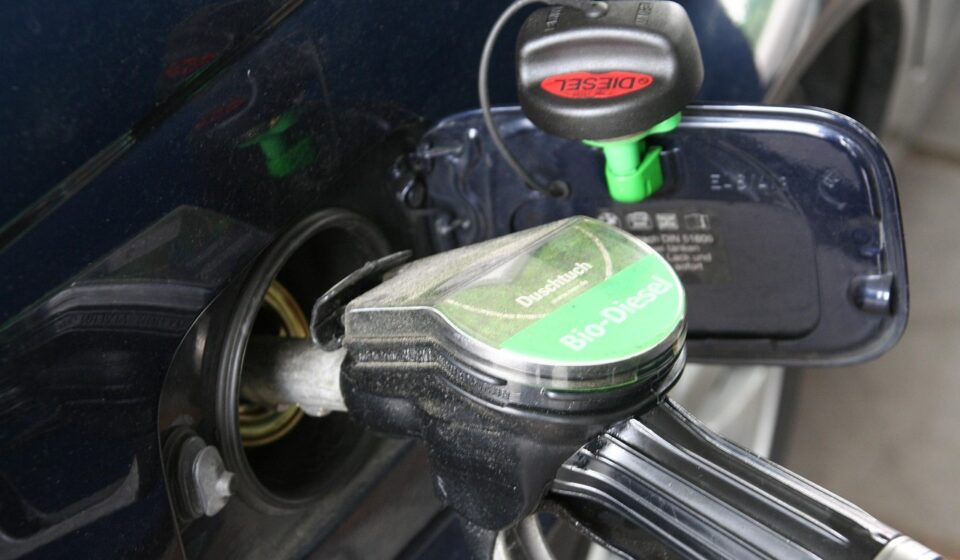
- Fill Your Tank Completely: Drive to a gas station and fill your vehicle’s fuel tank until the pump automatically clicks off. Don’t ‘top off’ excessively, as this can lead to inconsistent readings and isn’t good for your vehicle’s emissions system.
- Record Your Odometer Reading: Immediately after filling up, note the exact mileage displayed on your vehicle’s odometer. This is your ‘starting mileage.’ If your car has a trip meter, you can reset it to zero instead, which simplifies the next step.
- Drive as Usual: Use your vehicle normally until your fuel tank is nearly empty, or you need to refuel again.
- Refuel and Record Again: Return to the gas station and fill your tank completely once more, again noting the exact amount of fuel (in gallons) dispensed. Record your current odometer reading (‘ending mileage’).
- Calculate Miles Driven: Subtract your ‘starting mileage’ from your ‘ending mileage’ to find the total distance driven. If you used your trip meter, this figure is already provided.
- Perform the MPG Calculation: Divide the total miles driven by the number of gallons you just put into your tank. The result is your vehicle’s MPG for that driving period.
Understanding the Units: US, Imperial, and Metric
When you calculate your MPG, it’s crucial to understand which ‘gallon’ you’re referring to, especially if you drive internationally or consult resources from different regions. The United States uses the US gallon, which is approximately 3.785 liters. In contrast, the United Kingdom and Canada (historically) used the Imperial gallon, equivalent to about 4.546 liters. This difference means a car rated at 30 MPG (Imperial) is more fuel-efficient than one rated at 30 MPG (US).
Many other countries, particularly in Europe and Asia, measure fuel efficiency in kilometers per liter (km/l) or liters per 100 kilometers (l/100km). To convert between them: 1 US Gallon ≈ 0.833 Imperial Gallons, and 1 Imperial Gallon ≈ 1.201 US Gallons. For instance, if you get 10 km/l, that converts to roughly 23.5 MPG (US). Understanding these distinctions is vital for accurate comparisons and cost analysis, especially when importing a vehicle or comparing performance against global benchmarks.
Common Mistakes in MPG Calculation and How to Avoid Them
While the calculation seems simple, several common pitfalls can skew your results, leading to inaccurate fuel efficiency readings. One frequent error is inconsistent fill-up levels. If you only partially fill your tank one time and then overfill it the next, the ‘gallons added’ figure won’t accurately reflect the fuel consumed over the recorded distance.
Another mistake is forgetting to record odometer readings or the amount of fuel added. It’s easy to get distracted at the pump, but missing even one data point breaks your chain of consistent tracking. According to industry analyses, minor recording errors can lead to a 5-15% variance in perceived MPG over multiple fill-ups. Using the trip meter consistently helps prevent odometer reading errors, as it resets the ‘starting point’ automatically.
Lastly, ignoring the impact of driving conditions is a mistake. Calculating MPG solely on city driving one week and then highway driving the next will give you vastly different, but individually accurate, figures. For a true average, calculate over a mix of conditions, or keep separate logs for different driving scenarios.
using Apps and Technology for Enhanced Accuracy
While manual calculation provides the foundational accuracy, modern smartphone applications can significantly simplify the data collection and tracking process. Apps like Fuelio, GasBuddy, or MyFuelLog (as of July 2026) allow you to quickly log fuel purchases, odometer readings, and even fuel prices. They then automatically calculate your MPG, track trends over time, and generate useful reports.
These apps often come with features like cloud syncing, allowing you to access your data across devices, and reminders for maintenance based on mileage. They also excel at visualizing trends, making it easier to spot gradual declines in fuel efficiency that might indicate an emerging mechanical issue. That said, it’s important to input data accurately, as even the best app is only as good as the information it receives.
In contrast, many new vehicles feature built-in fuel economy monitors. While convenient, these systems often estimate MPG based on real-time sensor data, which can sometimes differ from the ‘pump-to-pump’ manual method by 1-8%, as noted by consumer reports. They are excellent for immediate feedback on driving habits but may not provide the precise, long-term consistency of a manually managed log.
How MPG Data Becomes a Vehicle Diagnostic Tool
Step back for a second: Consistent MPG tracking isn’t just about saving money; it’s a powerful, often overlooked, diagnostic tool. A sudden, unexplained drop in your MPG that persists over a few fill-ups can be an early indicator of various mechanical problems. It could signal issues with your engine’s oxygen sensors, dirty fuel injectors, a failing mass airflow sensor, or even incorrect tire pressure. For example, a 20% drop in expected MPG might warrant a professional check-up.
Many drivers wait for a ‘check engine’ light, but by then, the problem might be more severe and costly to fix. Monitoring your MPG allows you to be proactive. If you notice a consistent 10-15% reduction in efficiency, even without other symptoms, it’s a strong hint to inspect your vehicle’s engine, tires, and filters. This proactive approach can significantly extend your vehicle’s lifespan and reduce overall maintenance costs.
Real-World Examples of MPG Tracking Benefits
Consider two scenarios from our community. David, who commutes 40 miles daily, meticulously tracks his MPG using a spreadsheet after every fill-up. For months, his Ford Escape consistently averaged 28 MPG. One month, he noticed it dropped to 24 MPG, then 23 MPG. There were no warning lights. A trip to his mechanic revealed a partially clogged fuel filter and slightly worn spark plugs. Addressing these issues brought his MPG back to 28, saving him hundreds in fuel over the year and preventing potential engine damage.
In contrast, Maria relied solely on her Toyota Corolla’s dashboard display. Her displayed MPG fluctuated, but she dismissed it as normal variations. After a year, her car developed a persistent rough idle and a significant power loss. The culprit? A severely degraded catalytic converter, a repair that cost upwards of $2,000. Had she manually tracked and noticed a consistent decline in actual MPG, she might have caught the issue when it was a much simpler, cheaper fix, such as an O2 sensor replacement.
These examples highlight that while digital readouts offer convenience, they can sometimes mask underlying issues. The manual method provides a ‘ground truth’ that helps drivers make informed decisions.
| Feature | Manual MPG Calculation | Smartphone App Tracking | In-Car Dashboard Display |
|---|---|---|---|
| Accuracy | Highest (pump-to-pump) | High (depends on user input) | Moderate (estimated real-time) |
| Convenience | Low (requires active logging) | High (quick entry, auto-calc) | Very High (always visible) |
| Data Trends | Requires spreadsheet/separate logging | Excellent (built-in charts) | Limited (often resets per trip/tank) |
| Diagnostic Value | Excellent (spot subtle changes) | Excellent (if data is consistent) | Fair (only for obvious issues) |
| Cost | Free (except for time) | Free to Low (app subscriptions) | Included with vehicle |
Pros of Manual MPG Calculation
- Unparalleled Accuracy: Provides the most precise fuel efficiency data, as it’s based on actual fuel dispensed and miles driven.
- Early Diagnostic Tool: Consistent tracking can identify subtle declines in efficiency, signaling potential mechanical issues before they become major problems.
- Cost Control: Gives a clear picture of fuel expenses, empowering better budgeting and driving habit adjustments.
- Independence from Technology: Doesn’t rely on potentially fallible or less precise in-car systems.
- Deeper Understanding: Fosters a greater awareness of how driving style and vehicle condition impact fuel consumption.
Cons of Manual MPG Calculation
- Time-Consuming: Requires consistent effort to record data at every fill-up, which some drivers find inconvenient.
- Prone to User Error: Mistakes in recording odometer readings or fuel amounts can skew results.
- No Automatic Trends: Requires manual charting or a separate spreadsheet for visualizing long-term trends without an app.
- Lack of Real-time Feedback: can’t provide instant feedback on driving habits like a dashboard display can.
- Not Ideal for Multiple Drivers: Becomes complex if multiple people drive the same car without consistent data logging.
Expert Tips for Optimizing Your Fuel Economy
Once you’ve mastered how do I calculate my MPG, the next step is to use that knowledge to improve it. Maintaining proper tire pressure is one of the easiest ways to boost efficiency; underinflated tires can reduce MPG by up to 3%. Regularly checking and inflating your tires to the manufacturer’s recommended pressure (found on a sticker inside your driver’s side door jamb) makes a tangible difference.
Driving habits also play a significant role. Smooth acceleration and gentle braking are far more fuel-efficient than aggressive driving. Avoid excessive idling, especially for prolonged periods, as a car gets 0 MPG when idling. Consider removing unnecessary weight from your vehicle and utilizing cruise control on highways for consistent speeds. Additionally, regular vehicle maintenance, including oil changes and air filter replacements, ensures your engine runs efficiently.
Lastly, planning your routes to avoid heavy traffic and combining multiple errands into one trip reduces overall mileage and fuel consumption. These practical steps, combined with accurate MPG tracking, can lead to substantial savings over time.
Frequently Asked Questions
How often should I calculate my MPG?
For the most accurate and useful data, you should calculate your MPG every time you fill up your fuel tank. This consistency allows you to build a reliable history of your vehicle’s performance and quickly identify any significant changes or issues.
Can my car’s dashboard MPG be inaccurate?
Yes, in-car dashboard MPG displays are often estimates based on real-time sensor data and algorithms. They can vary from manual calculations by several percentage points, typically 1-8%, due to factors like sensor calibration and averaging methods.
What factors can cause my MPG to drop suddenly?
A sudden drop in MPG can be caused by various issues, including underinflated tires, a clogged air filter, faulty oxygen sensors, worn spark plugs, dragging brakes, or even a change in driving habits or fuel quality. It’s often an early sign of a problem.
Is it better to use premium fuel to improve MPG?
Unless your vehicle’s manufacturer specifically recommends or requires premium fuel, using it will generally not improve your MPG. Most modern engines are designed to run efficiently on regular unleaded gasoline, and using higher octane fuel unnecessarily can just be a waste of money.
How does temperature affect fuel economy?
Lower temperatures can reduce fuel economy because it takes longer for your engine to reach its optimal operating temperature. Additionally, winter-grade fuels often contain different additives that can slightly reduce efficiency, and colder air is denser, requiring more fuel for combustion.
Are hybrid cars always more fuel-efficient?
Hybrid cars are generally more fuel-efficient, especially in city driving with frequent stops and starts where their electric motors can shine. However, their advantage might be less pronounced during sustained highway driving compared to some highly efficient conventional gasoline vehicles.
Conclusion
Understanding how do I calculate my MPG manually empowers you with unparalleled accuracy in tracking fuel efficiency and vehicle health. This simple yet effective method goes beyond dashboard approximations, offering a clear, data-driven insight into your car’s performance and operational costs. By consistently tracking your MPG, you not only make more informed financial decisions but also gain a proactive diagnostic tool for your vehicle, potentially saving you from costly repairs down the line. Start tracking today, and take control of your vehicle’s true fuel economy.
Information current as of July 2026; pricing and product details may change. For readers asking “How do i calculate my mpg”, the answer comes down to the specific factors covered above.
Related read: 9 Months From Now: Your Guide to Strategic Planning.