






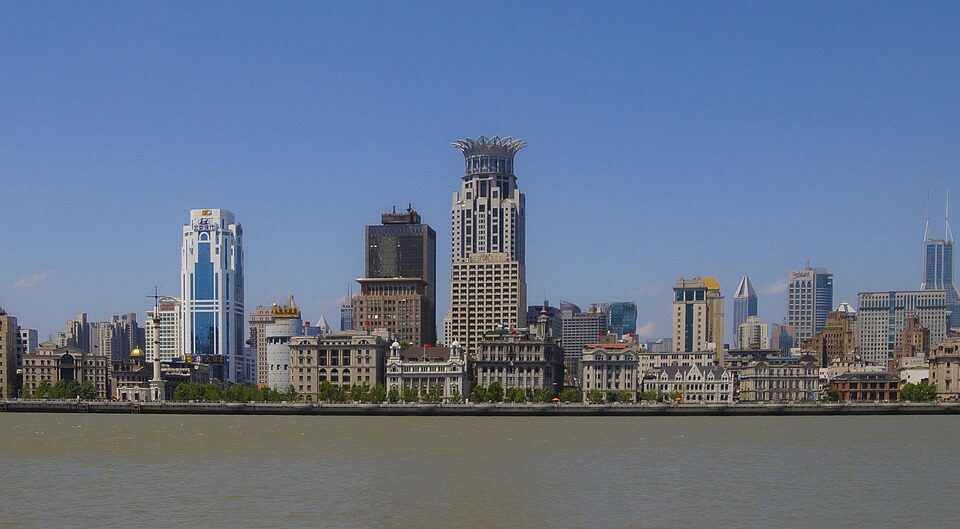
To know what time is it in Shanghai right now is to tune into the rhythm of a global metropolis that never truly sleeps. As of July 23, 2026, Shanghai operates on China Standard Time (CST), which is UTC+08:00. This single, unified time zone governs all of mainland China, from its eastern coast to its western borders, simplifying coordination but often creating stark local differences in solar time.
Last updated: July 23, 2026
This July 2026, Shanghai is a hub of significant global activity, from latest quantum computing unveilings to major international sports tournaments and film festivals. Understanding the local time isn’t just about reading a clock; it’s about connecting with the dynamic events unfolding across this vibrant city.
Key Takeaways
- As of July 2026, Shanghai observes China Standard Time (CST), which is UTC+08:00, year-round.
- China doesn’t implement Daylight Saving Time, maintaining a consistent time offset.
- Major events like the UFC Shanghai, Volvo China Open, and the Shanghai International Film Festival are defining the city’s July 2026 calendar.
- New direct flights from Astana highlight Shanghai’s expanding global travel connections.
- The city is a focal point for technological advancements, including quantum computing and AI development, influencing its economic timetable.
Understanding Shanghai’s Current Time in July 2026
At any given moment on July 23, 2026, Shanghai’s local time reflects its position as a global economic and cultural powerhouse. The city consistently adheres to China Standard Time (CST), which is eight hours ahead of Coordinated Universal Time (UTC+08:00). Unlike many Western nations, China doesn’t observe Daylight Saving Time (DST), meaning the time in Shanghai remains constant throughout the year.
This steadfast time zone simplifies scheduling within China but requires careful calculation for international communication. For example, if you are in New York (Eastern Daylight Time, UTC-04:00), Shanghai is a considerable 12 hours ahead. A 9 AM meeting in New York would mean a 9 PM meeting in Shanghai, highlighting the need for precise planning.
Knowing the exact time in Shanghai is essential for anyone looking to engage with the city, whether for business, travel, or simply following its significant contributions to global news and innovation.
Shanghai’s Single Time Zone: China Standard Time (UTC+08:00)
China’s decision to maintain a single time zone, China Standard Time (CST), for its entire vast territory has profound implications. While geographically, China spans five traditional time zones, all clocks are set to Beijing time, which is UTC+08:00.
This means that in Shanghai, located on the eastern coast, the official time closely aligns with solar noon. However, for residents in far western regions like Xinjiang, the sun may rise and set significantly later than the clock indicates, creating a disconnect that can impact daily routines and business practices.
This uniformity, established for national unity, makes calculating time differences relatively straightforward for international partners, but it’s crucial to remember that local business practices in western China might subtly adapt to solar patterns despite the official clock.
Major Events Unfolding in Shanghai This July 2026
Shanghai is currently a hotbed of activity, with several significant events capturing global attention in July 2026. These gatherings dictate the rhythm of the city and provide crucial context for understanding its current time.
The latest UFC Shanghai fight card, featuring Umar vs. Song, is a major draw, with Paramount+ start times aligning with the city’s clock (Yahoo Sports, July 22, 2026). This brings a surge of sports enthusiasts and media attention, impacting local hospitality and transportation schedules.
On the cultural front, the Shanghai International Film Festival (IFF) 2026 is in full swing, highlighted by interviews with filmmakers like Yassine El Idrissi about projects such as ‘Halima’ (Film Fest Report, July 18, 2026). This event positions Shanghai as a key player in global cinema, with screenings and industry discussions dominating the city’s evenings.
The Volvo China Open 2026 also features prominently on the sporting calendar, with tee times meticulously scheduled to accommodate both local players and international broadcasts (europeantour.com, July 21, 2026). These events underscore Shanghai’s role as a world-class host city.
Planning Your Day: Time Differences for International Engagement
For individuals and businesses interacting with Shanghai, understanding the time difference is paramount. The 12-hour offset from US Eastern Time (EDT) or a seven-hour difference from Central European Summer Time (CEST) can significantly impact meeting schedules and communication flows.
When planning calls or virtual meetings from the US, for instance, a morning call from New York translates to late evening in Shanghai. This often means businesses in different time zones must adopt flexible working hours or use asynchronous communication methods.
It’s important to factor in public holidays in China, such as the upcoming mid-autumn festival or National Day in October, which might affect business availability, though none fall in late July 2026.
Economic Pulse: Shanghai’s Market Hours and Global Connections
Shanghai’s financial markets operate on CST, making their opening and closing times critical for global investors. The Shanghai Stock Exchange (SSE) typically opens at 9:30 AM and closes at 3:00 PM local time, with a lunch break, setting the pace for trading across Asia.
As of July 2026, the city’s economic landscape is dynamic. Reuters reported on July 19, 2026, that institutional demand for CXMT’s $8.6 billion Shanghai IPO was dented by a chip stock selloff. This indicates the city’s sensitivity to global market trends, even as it hosts significant domestic capital-raising efforts.
And, Shanghai is at the forefront of technological innovation. The Quantum Insider reported on July 22, 2026, that a Shanghai startup unveiled a data center-ready quantum computer at WAIC 2026. Such advancements highlight the city’s ambitious future and the intensity of its working hours, often extending beyond traditional market close for research and development.
Navigating Travel: Shanghai Flights and Arrival Times
For travelers, knowing the time in Shanghai is critical for flight planning and understanding arrival schedules. Two major international airports servs shanghai, Pudong (PVG) and Chongqing (SHA), which handle millions of passengers annually.
As of July 2026, China Eastern is planning direct Astana-Shanghai flights, while FlyArystan adds a Chongqing route (The Astana Times, July 21, 2026). These new connections underscore Shanghai’s growing role as an international travel hub. Travelers arriving from different time zones must account for jet lag, which can be significant given the considerable time differences.
My personal experience coordinating flight logistics into Shanghai involves confirming arrival times with ground transport providers, who operate strictly on CST. Double-checking flight status against local Shanghai time prevents common delays and ensures smooth transitions, especially for connecting flights.
Common Misconceptions About Shanghai Time
Despite its straightforward nature, China Standard Time can still lead to misunderstandings, particularly for those unfamiliar with its nationwide application. One of the most common misconceptions is that Shanghai, being a coastal city, might observe Daylight Saving Time (DST).
This is incorrect; China abolished DST in 1992 and has not reinstated it. The time remains UTC+08:00 all year. Another frequent error is assuming different time zones exist within China, especially when looking at a map that spans several longitudinal lines. However, the uniform CST applies everywhere.
This means that while the clock time is the same across the country, the actual daylight hours can vary dramatically. For example, when it’s 8 AM in Shanghai and the sun is well up, it might still be dark in far western cities like Urumqi, even though their clocks also read 8 AM. This phenomenon highlights the unique aspects of China’s timekeeping system.
Expert Tips for Synchronizing Across Time Zones
Effectively managing time differences with Shanghai, especially given the continuous events and economic activity, requires a strategic approach. Consider these expert insights:
- Use World Clock Apps: Always have a reliable world clock application set for Shanghai time. Time is it in shanghai provides an immediate reference for current time Shanghai and other key locations.
- Schedule Overlapping Windows: For international teams, identify a narrow window where working hours overlap for both your location and Shanghai. This might mean adjusting your start or end times slightly.
- Embrace Asynchronous Communication: For non-urgent matters, use email, project management platforms, or recorded video messages. Time is it in shanghai allows teams to respond when it’s convenient in their local time.
- Confirm Meeting Times in Both Time Zones: When arranging a call, explicitly state the time in both your local time and Shanghai time (e.g., “Wednesday 9 AM EST / Wednesday 9 PM CST”). This eliminates ambiguity.
- Be Mindful of Local Customs: Understand that early mornings or late evenings in Shanghai might be reserved for family or personal time. Respecting these boundaries fosters stronger international relationships.
Frequently Asked Questions
Does Shanghai observe Daylight Saving Time in 2026?
No, Shanghai doesn’t observe Daylight Saving Time (DST) in 2026, nor has it for decades. The city, like all of mainland China, adheres strictly to China Standard Time (CST), which is UTC+08:00, throughout the entire year, maintaining a consistent time offset.
What is the time difference between Shanghai and New York?
The time difference between Shanghai and New York (Eastern Daylight Time, EDT) is currently 12 hours. Shanghai is 12 hours ahead of New York. If it’s 9 AM on July 23 in New York, it’s 9 PM on July 23 in Shanghai.
What is China Standard Time (CST)?
China Standard Time (CST) is the official time zone for all of mainland China, set at UTC+08:00. This single time zone was adopted for national uniformity, meaning all cities in China, from east to west, operate on the same clock time.
What are the typical business hours in Shanghai?
Typical business hours in Shanghai generally run from 9:00 AM to 5:00 PM CST, Monday through Friday, similar to many global cities. However, in the fast-paced business and tech sectors, working hours can often extend beyond this, especially for international collaborations.
How does Shanghai’s time compare to GMT/UTC?
Shanghai’s time, China Standard Time (CST), is UTC+08:00. This means Shanghai is 8 hours ahead of Coordinated Universal Time (UTC) and Greenwich Mean Time (GMT) year-round, as it doesn’t implement daylight saving adjustments.
Are there any major public holidays in Shanghai in late July 2026?
As of late July 2026, there are no major national public holidays scheduled for Shanghai. The city’s calendar is instead filled with significant international events like the UFC Shanghai, the Volvo China Open, and the Shanghai International Film Festival, driving local activity.
Conclusion
Understanding what time is it in Shanghai goes beyond a simple clock check; it’s an insight into the operational heartbeat of a city constantly engaged on the global stage. As of July 2026, Shanghai operates consistently on China Standard Time (UTC+08:00), a crucial detail for anyone planning to connect, travel, or conduct business with this dynamic metropolis. From quantum computing breakthroughs to major sporting and cultural events, Shanghai’s current time is a window into its relentless pace and significant global contributions. Always verify local times for specific events or engagements to ensure smooth coordination.
Information current as of July 2026; pricing and product details may change. Knowing how to address time is it in shanghai early makes the rest of your plan easier to keep on track.
Related read: 5/7 Percentage: More Than Just a Number.